
COVID-19 and New Jersey’s Immigrants: Frontline Undocumented Immigrant Workers, Financial Ruin, and Health Risks Bring Extreme Harm and Anxiety
A recent report analyzing “the experiences of low-wage immigrant workers and families in New Jersey during the first month of the COVID-19 crisis,” found that “immigrant communities have experienced extreme harm” as a result of the COVID-19 pandemic. This includes limited access to health care services, no unemployment compensation, and pervasive employer conduct—all of which have led to increased anxiety, insecurity, and COVID-19 infection spread in immigrant communities.
The study, Essential and Excluded: A Survey of Immigrants in New Jersey under COVID-19, found that many of these immigrants, whether documented or undocumented, are employed in New Jersey’s most critical and essential of industries such as agriculture, manufacturing, environmental services and sanitation, and continued supply chain operation, to food and personal services.
New Jersey’s Immigrant Community Population, Economic Impact, and Infections
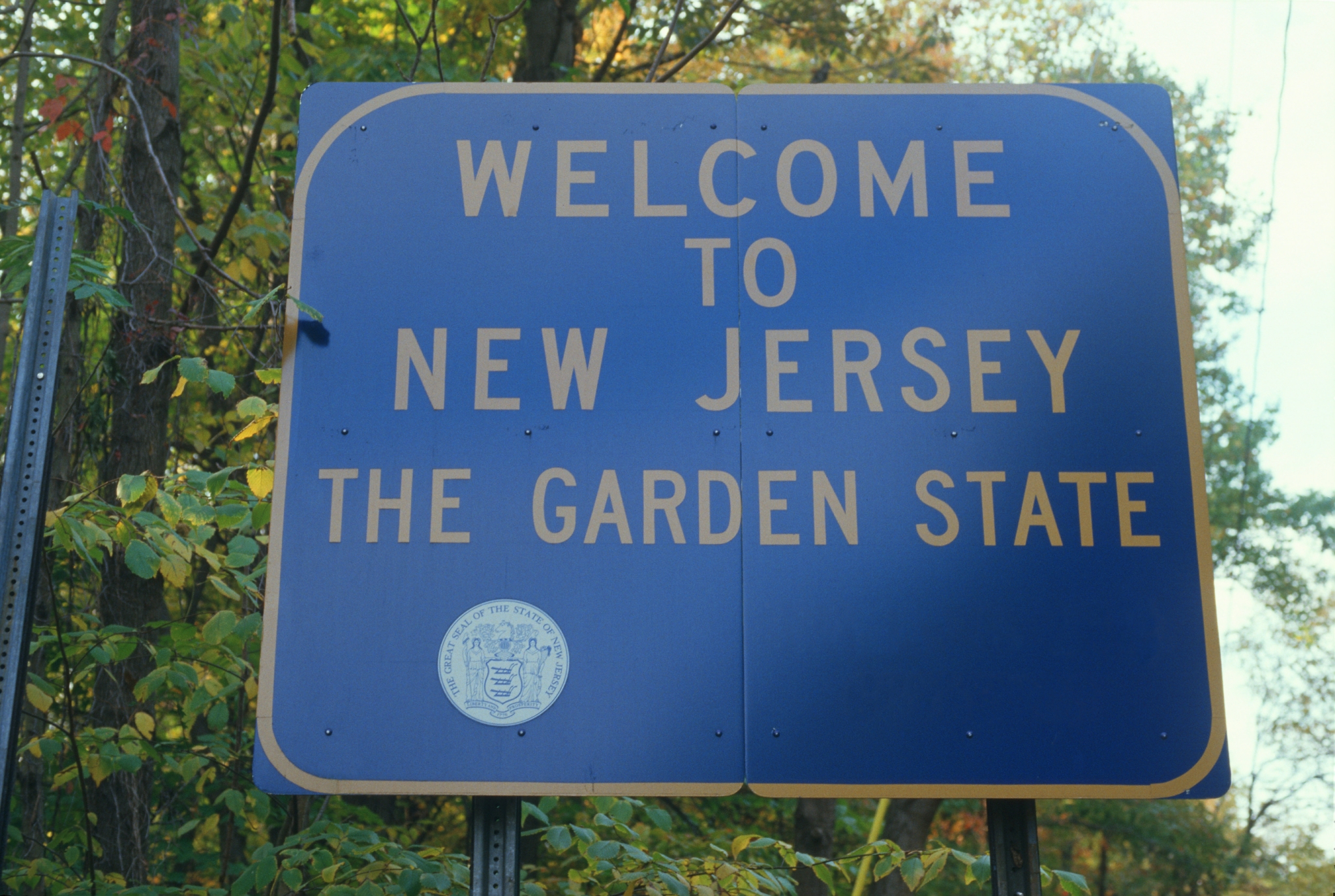
New Jersey boasts one of the nation’s most “robust immigrant community,” with “the third largest share of immigrants nationwide,” with “[m]ore than two million people living in New Jersey – or 1 in every 5 Garden State residents – [that] are foreign born.” Estimates indicate that “nearly half a million . . . undocumented immigrants” live in New Jersey, with “[a]bout 128,000 U.S. citizen children in New Jersey [that] have an undocumented parent.”
The economic impact of New Jersey’s immigrants on the state is significant. For example, the report notes, New Jersey’s share of immigrants in its workforce is the largest of any other state in the nation. Undocumented immigrants, alone, that live in New Jersey “contribute approximately $604 million in state and local taxes in New Jersey each year and $1.1 billion in federal taxes. . . . [with] purchasing power of . . . approximately $10.5 billion in New Jersey.” Moreover, undocumented immigrants “are disproportionately likely to own small businesses and to work in the sectors that have been hardest hit by [COVID-19]-related closures, such as food service and construction and those where workers continue frontline work such as warehouses, janitorial and agriculture.”
There is no specific measure of COVID-19 infections in immigrant communities, as New Jersey does not track COVID-19 statistics for immigration status. The report notes, however, that:
state testing data reveals Blacks and Latinos are more likely to test positive for COVID-19 in New Jersey[,] [where] Latinos made up 29.5% of the overall positive tests, while comprising just 20% of the overall population in New Jersey. Blacks, while representing 12.8% of the overall population, comprise 22% of positive tests. The racial disparity has grown since the beginning of the COVID-19 outbreak in New Jersey.
COVID-19 Impact on New Jersey’s Immigrants
The report made four key findings on COVID-19’s impact on New Jersey’s undocumented and documented immigrants:
- Low-wage, immigrant workers are facing “pervasive” labor rights violations. While all employees, regardless of immigration status, are eligible for the federally and state-mandated paid sick leave, the report found that the “majority of undocumented [workers] reported that they were not provided” with paid sick leave benefits. Moreover, undocumented immigrant workers performing essential work, including manufacturing, production, agriculture, and supply chain distribution, were not provided with COVID-19 prevention safety equipment and training.
- Fear of immigration arrests and a lack of health insurance has caused “deep inequities in access to health care” in New Jersey in immigrant communities. The report found that nearly 50% of all of New Jersey immigrants and 64% of the state’s undocumented immigrants who experienced COVID-19 symptoms did not consult with any medical professional, because of immigration-related concerns.
- The lack of access to state and federal wage cash assistance such as federal stimulus payments and state unemployment benefits have caused financial hardships that are “intense and widely felt within New Jersey’s immigrant communities,” with many “unable to pay for basic necessities, like food, medicine, and utilities.”
- Immigrant communities are experiencing high levels of “worry” about “being able to pay bills, buy medicine or access enough food in the coming month.” Nearly 90% of immigrants surveyed for the report were “worried about making rent in May” and paying their utilities or other bills, while 83% were concerned “about accessing enough food for their families” in the coming weeks. Undocumented immigrants are ineligible for any public assistance programs, such as Supplemental Nutritional Assistance Program (SNAP) and federal rent subsidies and lawful immigrants fear applying for public benefits because there exists a possibility that receiving such benefits would negatively impact future immigration and citizenship applications.
What Should (Will) New Jersey Do?
The report provides “a series of policy recommendations for how [New Jersey] and the federal government can better serve immigrant communities during the pandemic.” The report recommends that:
- New Jersey halt rent, mortgage, and utility bill payments for all New Jersey residents, regardless of immigration status and establish a fund to assist New Jersey immigrants to pay for federal immigration filing fees and provides $600 a week to immigrants excluded from unemployment or stimulus payments;
- The federal government issue $2,000 monthly stimulus payments to all taxpayers, including those who lack a Social Security number;
- All COVID-19 testing and treatment is paid for all New Jersey residents, regardless of immigration status, through Medicaid, or a state established medical program;
- U.S. Citizenship & Immigration Services extend already issued temporary work authorizations automatically, without requiring new applications and fees to be submitted for renewals;
- U.S. Department of Homeland Security stop any immigration enforcement actions; and
- New Jersey state regulatory and licensing agencies expand eligibility for occupational licenses, without regard to immigration status.
When asked about a cash assistance program for undocumented workers on New Jersey’s 101.5 radio, Governor Phil Murphy neither committed nor dismissed the possibility of some action: “I’m open-minded to the $600 a week, under the theory. . .” Nonetheless, Governor Murphy was quick to note that, as he “already mentioned quite clearly we’re running out of money.”
To learn more about this blog post or if you have any other immigration concerns, please feel free to contact me at rglahoud@norris-law.com or (484) 544-0022. For other topics related to COVID-19, visit our Coronavirus Thought Leadership Connection.
The information contained in this post may not reflect the most current developments, as the subject matter is extremely fluid and constantly changing. Please continue to monitor this site for ongoing developments. Readers are also cautioned against taking any action based on information contained herein without first seeking advice from professional legal counsel.